Understanding Measured Building Surveys
Measured Building Surveys are essential tools in the realm of property development, architectural design, and renovation. They focus on accurately capturing the dimensions and features of a building to create precise representations for various applications. This comprehensive guide will delve into the significance of measured building surveys, particularly in London, where the complexity of urban landscapes necessitates high levels of accuracy and detail. When exploring options, Measured Building Surveys London offer invaluable insights for property developers, architects, and planners aimed at informed decision-making throughout their projects.
What are Measured Building Surveys?
A Measured Building Survey is a detailed procedure that involves the precise measurement of a building’s dimensions, spatial configurations, and structural features. The output of this survey typically includes comprehensive documentation such as floor plans, elevations, and cross-sections, which are essential for understanding the building’s layout and characteristics.
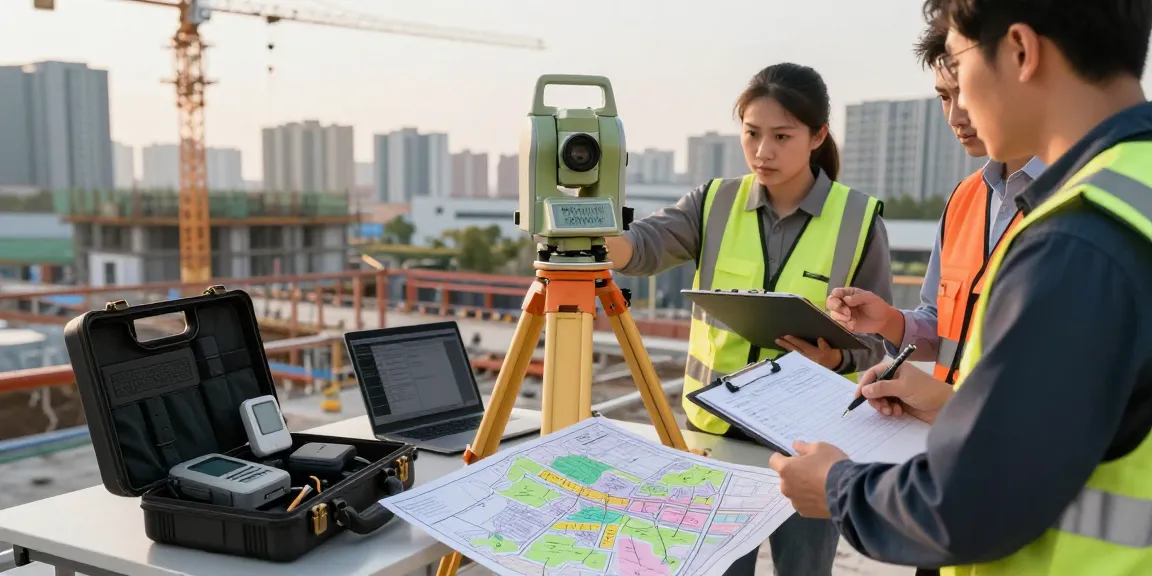
Utilising advanced technology such as laser scanning and total station equipment, surveyors can collect highly accurate data that reflects the current state of the property. These surveys can also integrate Building Information Modelling (BIM), thus enhancing the usability of the data within the design and construction processes.
Importance of Accurate Measurements for Property Development
In property development, accurate measurements are non-negotiable. They ensure that architects and contractors have a reliable basis for their designs, which helps to avoid costly errors and delays. This accuracy is especially significant in densely populated urban areas like London, where space is at a premium and any miscalculation can lead to substantial financial implications.
Furthermore, having precise measurements aids in complying with regulations and standards set forth by local authorities. It facilitates smoother planning applications and helps mitigate potential issues related to property boundaries and zoning laws.
Key Features of Comprehensive Surveys
Comprehensive Measured Building Surveys typically include:
- Floor Plans: Detailed layouts of each level, including room dimensions and functionalities.
- Elevations: Accurate representations of each façade, detailing architectural elements and materials used.
- Sections: Cross-sectional views that reveal internal configurations and structural features.
- 3D Models: Advanced visualisations that allow for virtual walkthroughs and better design understanding.
Common Applications of Measured Building Surveys London
Measured Building Surveys find extensive application across various sectors, particularly in London. Their utility spans from architectural projects to construction, providing essential data that informs many aspects of property management and development.
Architectural Design and Renovation Projects
Architects often rely on measured surveys to create accurate designs for new builds or renovations. These surveys enable architects to assess the existing structure, identify areas for improvement, and incorporate innovative design elements that align with their vision for the space.
In renovation projects, having precise measurements helps to determine which parts of the building can be preserved or altered, thus ensuring that any changes adhere to both the aesthetic and functional requirements of the project.
Heritage Conservation and Restoration
Heritage sites and buildings present unique challenges due to their historical significance. Measured Building Surveys are crucial in documenting the details of these structures to ensure that any restoration work respects the original design. By providing a complete record of the building’s condition, these surveys facilitate informed decisions that help maintain the heritage and integrity of the structure.
Space Planning for Modern Developments
In the context of modern developments, effective space planning is vital for maximising utility and creating functional environments. Measured Building Surveys provide valuable insights into how spaces interact, making it easier for planners to optimise layouts for residential, commercial, or mixed-use developments.
Challenges in Conducting Measured Building Surveys
While Measured Building Surveys are invaluable, they are not without challenges. Surveyors often encounter various obstacles that can impact the accuracy and efficiency of their work.
Access Issues and Site Constraints
Limited access to certain areas of a site can pose significant challenges when conducting surveys. Buildings may be located in congested urban environments where space is restricted, making it difficult to manoeuvre equipment or collect data efficiently. Additionally, internal obstacles such as furniture and fixtures can hinder the surveying process.
Weather Impacts on Survey Accuracy
Weather conditions also play a crucial role in the feasibility of conducting surveys. Rain, excessive wind, or snow can affect both the equipment used and the safety of the surveyors. Thus, careful planning is necessary to mitigate these effects and ensure reliable results.
Complexity of Urban Environments in London
London’s diverse architecture and dense urban fabric add complexity to the surveying process. Surveyors must navigate a mix of modern and historic buildings, each presenting unique challenges in terms of measurement and documentation. This complexity necessitates a higher level of expertise and precision, making the role of skilled surveyors invaluable.
Best Practices for Effective Measured Building Surveys
To overcome the challenges faced in conducting Measured Building Surveys, adopting best practices is crucial. These practices ensure that surveys are thorough, accurate, and efficient.
Utilising Advanced Technology and Equipment
Employing the latest technology, such as 3D laser scanning and advanced total stations, can significantly enhance the accuracy and efficiency of surveys. These tools enable surveyors to capture extensive data in a fraction of the time compared to traditional methods, providing rich insights into the building’s structure.
Choosing Qualified Surveying Professionals
Engaging experienced and qualified surveyors is paramount. Professional surveyors are well-versed in industry standards and regulations, ensuring compliance and quality assurance. Their expertise enables them to anticipate challenges and execute surveys that meet client expectations.
Ensuring Compliance with Industry Standards
Compliance with industry standards, including those set forth by The Survey Association (TSA) and other relevant bodies, is essential for maintaining the quality and credibility of surveying work. Adhering to these standards ensures that surveys are conducted systematically and that results are reliable.
The Future of Measured Building Surveys in 2026
As technology and methodologies evolve, so too will the field of Measured Building Surveys. Anticipating future trends is crucial for professionals aiming to stay ahead in this competitive industry.
Emerging Technologies Revolutionising Surveying
In 2026, we can expect to see further integration of technologies such as Artificial Intelligence (AI) and machine learning in the surveying process. These advancements may enhance data analysis and interpretation, resulting in even more accurate and actionable insights.
Sustainability in Building Surveying Practices
With increasing emphasis on sustainability, measured surveys will also incorporate environmental assessments. Professionals will focus on providing data that supports sustainable design and construction practices, promoting eco-friendly developments.
Preparing for Changing Regulatory Landscapes
The regulatory landscape surrounding building specifications and environmental standards is continually evolving. Surveyors must remain informed and adaptable to these changes to ensure ongoing compliance and relevance to their clients.
What is the average cost of Measured Building Surveys?
The cost of Measured Building Surveys in London varies depending on factors such as the size and complexity of the property, the level of detail required, and the technology used. On average, clients can expect to pay around £1,400 for comprehensive surveys, while additional features like 3D modelling may incur extra charges.
How detailed are Measured Building Surveys?
Measured Building Surveys can range from basic floor plans to highly detailed 3D models that capture every nuance of a structure. The level of detail requested will typically correspond to the project’s requirements and the intended use of the survey data.
What industries benefit from Measured Building Surveys?
Industries such as architecture, construction, property management, and historical preservation are among the primary sectors that benefit from Measured Building Surveys. Each sector utilises the data for different purposes, from design and renovation to compliance and documentation.
How long does it take to complete a Measured Building Survey?
The duration of a Measured Building Survey will depend on several factors, including the property’s size, accessibility, and the survey’s complexity. Generally, a simple survey may take a few days, while more intricate projects could extend over several weeks.
Are Measured Building Surveys legally required?
While Measured Building Surveys are not always legally required, they are often essential for compliance with planning regulations, especially for significant renovations, new constructions, or when dealing with protected structures. Engaging in a survey can help mitigate risks associated with property development and management.